
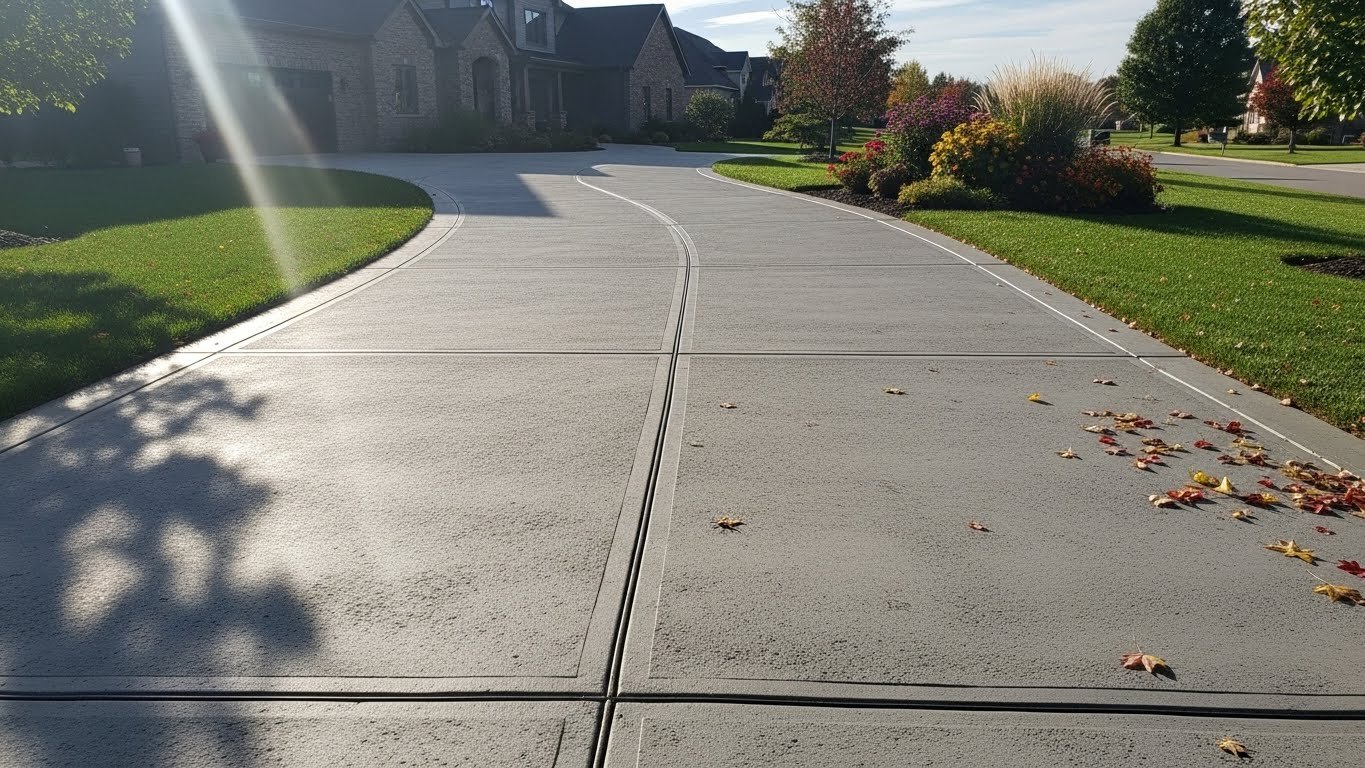
A concrete driveway is a fundamental investment for any property, providing a durable surface for vehicles and enhancing overall curb appeal. However, issues like structural cracks, surface spalling, and settlement often arise due to poor concrete driveway installation, extreme weather, or lack of maintenance. This article explores the entire lifecycle of a driveway from the initial concrete driveway construction and the importance of reinforced concrete driveway techniques to identifying common failures like drainage issues and joint deterioration. We will also compare concrete driveway vs asphalt, break down the concrete driveway cost per square foot, and provide professional solutions such as concrete driveway resurfacing and concrete driveway crack repair. By following the right concrete driveway maintenance tips, homeowners can significantly extend the concrete driveway lifespan and avoid costly concrete driveway replacement.
Understanding Concrete Driveway Construction
The foundation of a long-lasting driveway lies in the quality of its initial build. Concrete driveway construction is a meticulous process that begins with proper site preparation and subgrade compaction. During the concrete driveway pouring stage, adhering to concrete driveway thickness standards is crucial; a standard residential concrete driveway usually requires 4 inches, while a commercial concrete driveway might need 5 to 6 inches to support heavier loads. Using reinforced concrete driveway methods, such as adding rebar or wire mesh, ensures the slab can handle tension and heavy weight without snapping under pressure. Furthermore, the role of concrete driveway expansion joints cannot be overstated, as they allow the material to breathe and move during temperature shifts, preventing premature failure and internal stress.
When considering concrete driveway materials cost, it is important to balance your budget with quality. High-quality cement mixes and proper concrete driveway reinforcement might increase the initial concrete driveway labor cost, but they prevent expensive repairs later. The concrete driveway curing time is another critical factor; if the concrete dries too fast or is put under pressure too early, its structural integrity is compromised. A professional contractor ensures that the moisture level is maintained during the curing phase to achieve maximum PSI strength.
Most Common Concrete Driveway Problems
One of the most frequent issues homeowners face is cracks in concrete driveways. These can range from minor hairline cracks to deep structural fissures. Often, these are caused by improper concrete driveway curing time, inadequate soil compaction, or the absence of proper concrete driveway expansion joints. Another unsightly problem is surface spalling or scaling, where the top layer of the concrete begins to flake off. This is typically a result of “freeze-thaw” cycles or the heavy use of de-icing salts during winter, which attack the concrete’s surface if concrete driveway sealing was neglected.
Settlement and drainage issues also rank high among common problems. An uneven or sunken driveway usually points toward concrete driveway slope and grading mistakes made during the initial installation. If the soil underneath wasn’t packed tightly, the heavy weight of the slab causes it to sink over time. This leads to water pooling, which can seep into the base and cause further erosion or “heaving” in cold weather. Without proper concrete driveway drainage solutions, standing water will eventually degrade the entire structure, making a full concrete driveway replacement an inevitable and expensive necessity.
How to Fix Common Concrete Driveway Problems
When damage occurs, deciding between concrete driveway repair and replacement depends on the severity of the issue. For surface-level damage and minor cracks, concrete driveway crack repair using high-quality fillers or epoxy injections can be very effective in stopping water penetration. If the driveway looks worn out but is structurally sound, concrete driveway resurfacing is an excellent middle-ground option. This process involves applying a thin layer of new concrete or a specialized overlay over the old surface, allowing you to choose new concrete driveway design ideas like a stamped concrete driveway finish without the cost of a full tear-out.
To fix drainage problems, you may need to re-evaluate the concrete driveway slope and grading. This might involve installing specialized channel drains or using “mud-jacking” or “poly-jacking” to level sunken slabs. Above all, concrete driveway sealing remains the most effective preventive measure. Applying a professional-grade sealer every few years creates a barrier against moisture, oil stains, and UV rays. This simple step is the most cost-effective way to preserve the concrete driveway lifespan and keep the surface looking brand new.
When Repair Is Not Enough: Replacement Options
There comes a point where repairs are no longer cost-effective. If your driveway has large interconnected cracks (often called alligator cracking) or has sunken more than two inches across multiple slabs, a complete concrete driveway replacement is usually the best path forward. The process begins with the removal of old concrete, followed by a new concrete driveway installation that addresses the underlying subgrade issues that caused the first one to fail. While the concrete driveway cost for a full replacement is significant, it allows you to start fresh with modern concrete driveway finishing options and superior reinforcement techniques.
Concrete Driveway Design, Costs, and Maintenance
Modern technology has turned driveways into design features. A stamped concrete driveway can mimic the look of natural stone, slate, or brick, providing a luxury feel for a residential concrete driveway. Other concrete driveway finishing options include broom finishes for traction, exposed aggregate for a textured look, or polished concrete for a sleek, modern aesthetic.
When it comes to the budget, the concrete driveway cost per square foot typically ranges based on the complexity of the design and local concrete driveway labor cost. In busy areas like concrete driveway NYC, you must also account for concrete driveway permit requirements and strict local building codes regarding sidewalk transitions and water runoff. To protect your investment, a concrete driveway maintenance routine is essential:
- Routine Inspections: Identifying small cracks before they expand.
- Cleaning: Removing dirt and oil spills to prevent permanent staining.
- Sealing: Applying a high-quality sealant every 2 to 5 years.
- Seasonal Care: Avoiding metal snow shovels and harsh de-icing chemicals.
Frequently Asked Questions (FAQs)
How thick should a concrete driveway be?
For standard passenger cars, 4 inches is the industry standard, but 5-6 inches is highly recommended for heavier vehicles or SUVs.
How long does concrete take to cure?
While you can walk on it after 24 hours, the concrete driveway curing time requires at least 7 to 10 days before it can support the weight of a vehicle.
Can cracks be fully repaired?
Cosmetic cracks can be patched easily, but structural cracks usually indicate a deeper issue with the soil or base.
Is resurfacing better than replacement?
Resurfacing is perfect for fixing surface aesthetics, but it will not fix a driveway that is sinking or has major structural failure.
How often should a driveway be sealed?
Depending on your climate, it is recommended to seal the surface every 2 to 5 years.
Conclusion
Understanding the common pitfalls of concrete driveway construction and maintenance is key to protecting your property’s value. From choosing the right concrete driveway contractors to ensuring proper concrete driveway drainage solutions, every detail contributes to the longevity of the structure. While the initial concrete driveway cost might seem high compared to asphalt, the long concrete driveway lifespan and low maintenance requirements make it a superior choice for most homeowners and businesses. With regular care and timely concrete driveway repair, your driveway can remain a beautiful and functional part of your home for decades.